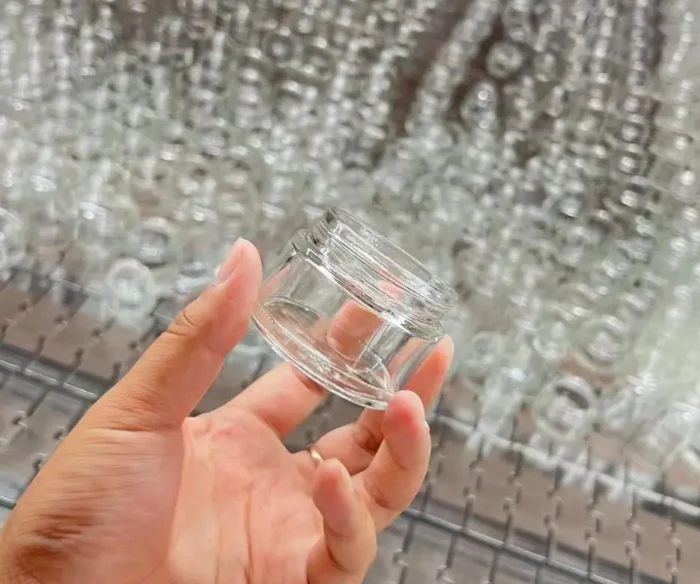
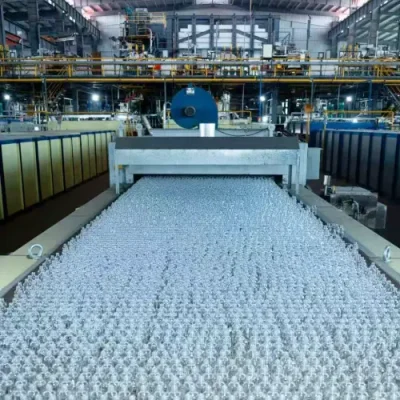
As the cannabis market becomes increasingly regulated, Child Proof Jars (Child-Resistant Jars) have become an important part of legal cannabis packaging. They not only help reduce the risk of children opening packages accidentally, but also provide an important packaging solution for brands seeking to meet regulatory requirements, protect product quality, and build consumer trust. For cannabis brands and buyers, selecting the right Child Resistant Jar requires careful consideration of safety performance, sealing effectiveness, material properties, compliance standards, and the supplier’s customization capabilities.
This article provides a comprehensive overview of how Child Proof Jars work, applicable regulations, common types, key performance criteria, and how to select a reliable packaging supplier, helping brands identify packaging solutions that better match their product requirements.
What Is a Child Proof Jar?
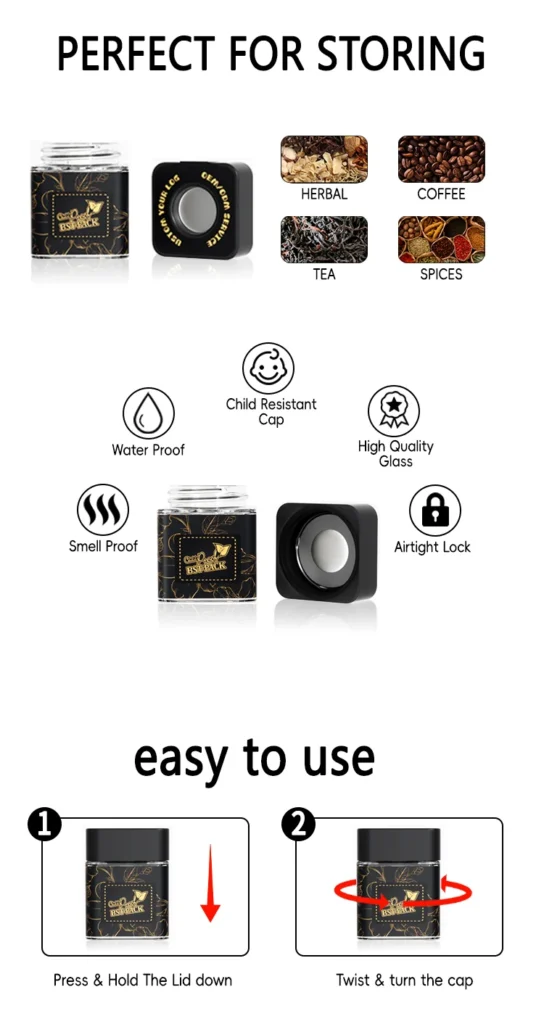
A Child Proof Jar (Child-Resistant Jar) is safety packaging designed with a special mechanism that makes it more difficult for children to open. It is not completely “childproof”; rather, under specified test conditions, it reduces the likelihood of children gaining access to the product while ensuring that adults can still use it normally.
In the cannabis industry, Child-Resistant Jars are widely used to store cannabis flower, concentrates, edibles, and other products in order to meet safety and compliant-packaging requirements.
Child Resistant Jar Regulations and Testing Standards in the US
In the US market, Child Resistant Packaging generally needs to comply with the testing requirements of 16 CFR § 1700.20 under the Poison Prevention Packaging Act (PPPA).
By simulating real-world use, this standard verifies both the package’s resistance to opening by children and its usability for adults. Test participants include children aged 42–51 months (approximately 3.5–4.3 years) and adults from different age groups, including older users, to ensure that the packaging balances safety with ease of use.
Types of Child Resistant Jar Closures for Cannabis Packaging
To balance safety and ease of use, Child Resistant Jars generally use a Two-Step Opening Mechanism. Common CR closure structures currently available on the market include the following:
1. Push-and-Turn Cap (Press-and-Turn Cap)
The Push-and-Turn Cap is one of the most widely used Child Resistant Closure designs and is commonly found on cannabis flower jars, concentrate containers, and similar products. To open it, the user must press the cap downward and rotate it while maintaining pressure.
Advantages:
- High level of safety: The user must apply downward pressure and rotate the cap at the same time, making it more difficult for children to open.
- Good sealing performance: When paired with a sealing liner, it can reduce the exchange of air, moisture, and odors, helping preserve the freshness of cannabis products.
- High market familiarity: The opening method is widely used, so consumers are highly familiar with this type of packaging.
Disadvantages:
- Limited usability for some users: Opening requires a certain amount of downward force. It may therefore be less convenient for older users or other consumers with limited hand strength or reduced joint mobility.
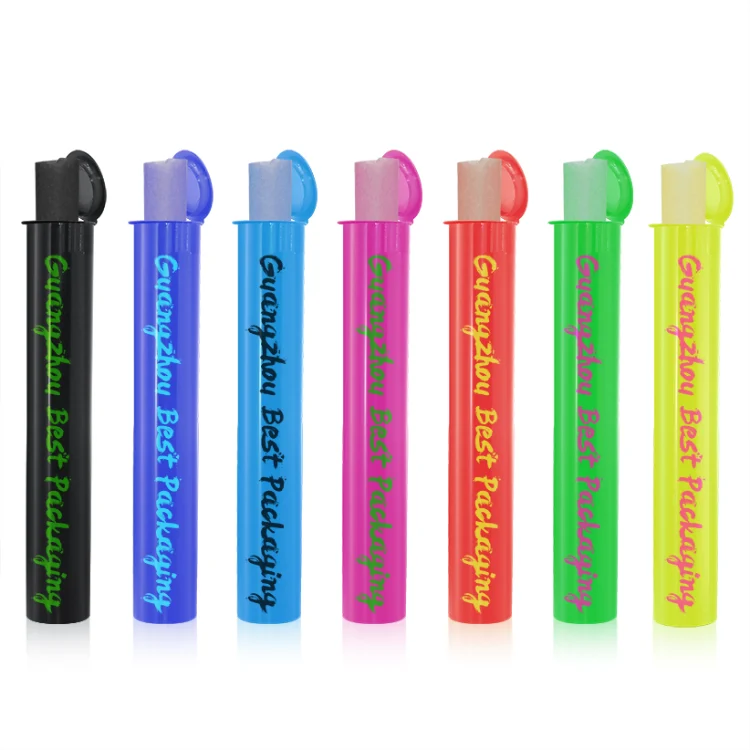
2. Pop-Top Closure (Squeeze-to-Pop Cap)
The Pop-Top Closure is commonly used for pre-roll tubes and small cannabis flower packages and typically has a cylindrical plastic construction. The user squeezes the designated pressure points on both sides of the cap to release the internal locking tabs, after which the cap pops open automatically.
Advantages:
- Efficient opening: An experienced adult can open it quickly and conveniently.
- Clear cost advantage: It generally uses a one-piece plastic structure, resulting in lower production and bulk-purchasing costs.
- Highly portable: The tubular design is easy to carry and is suitable for retail and mobile-storage applications.
Disadvantages:
- Limited odor-barrier performance: Compared with a twist-style closure fitted with a sealing liner, its overall sealing performance is weaker and its ability to control odors is more limited.
- Limited long-term durability: Frequent opening may fatigue the plastic structure and affect its long-term child-resistant performance.
3. Squeeze-and-Turn Closure (Squeeze-and-Turn Mechanism)
The Squeeze-and-Turn Closure is another common child-resistant opening method. It releases the internal lock through specific pressure points. The user must squeeze both sides of the cap and maintain that pressure while rotating it open.
Advantages:
- Relatively user-friendly: Compared with a push-and-turn design, it relies mainly on lateral squeezing force and may be easier for some users with limited hand strength to operate.
- Broad range of applications: It can be used with different packaging formats and is particularly suitable for functional products that need to balance safety and sealing performance.
Disadvantages:
- Requires coordinated operation: The user must maintain squeezing pressure while rotating the cap. If the pressure is released midway, the locking mechanism may re-engage and interfere with the opening experience.
4. Line-Up Mark Closure (Alignment-Mark Opening Mechanism)
The Line-Up Mark Closure uses visual indicators to guide opening. The user must first align the arrows, dots, lines, or other marks on the cap and jar accurately, then complete the opening action by pressing, pushing, or turning.
Advantages:
- Good child-resistant performance: Children generally find it difficult to understand and complete both the alignment step and the subsequent action, effectively reducing the risk of accidental opening.
- Good adult user experience: This design relies more on visual recognition and operational logic than on substantial force, making it friendlier for some users with limited strength.
Disadvantages:
- Dependent on visual recognition: The jar may be more difficult to open for users with impaired vision or in low-light environments.
- Slower operation: The user must locate and align the marks, making the design unsuitable for applications that prioritize rapid, one-handed opening.
Each CR Closure design has its own characteristics. Brands should select one according to the product type, sealing requirements, frequency of use, and target consumer group. A well-designed closure not only affects the Child Resistant Jar’s user experience, but also provides an important foundation for regulatory compliance and stable long-term use.
Glass vs Plastic Child Resistant Jars: Which Is Better?
Glass and plastic each offer distinct advantages, and brands should choose between them according to product positioning and purchasing requirements.
Glass CR Jars:
- High chemical stability, reducing interaction between the packaging and the cannabis product;
- Low adsorption, making them more suitable for terpene-rich flower and concentrates;
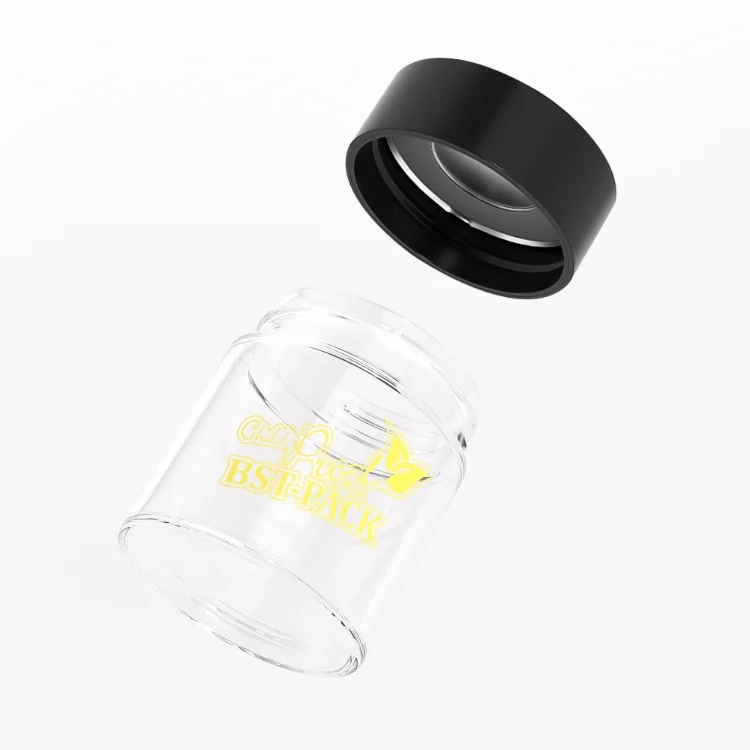
- A premium appearance and feel that improve high-end retail presentation;
- Reusable and recyclable, supporting the sustainability positioning of some brands.
Suitable applications:
Premium cannabis flower, concentrates, and boutique product lines.
Plastic CR Jars:
- Lightweight and impact-resistant, reducing transportation and warehousing costs;
- Lower production costs, making them suitable for high-volume purchasing;
Suitable applications:
Pre-rolls, mass-market cannabis products, and cost-sensitive products.
Overall, glass CR Jars place greater emphasis on product protection, perceived quality, and premium positioning, while plastic CR Jars offer stronger advantages in cost, supply efficiency, and scalable production.
Key Features to Consider When Choosing CR Cannabis Jars
An effective Child Proof Jar (Child Resistant Jar) must not only comply with child-safety regulations, but also support product protection, ease of use, and brand value.
1. Child Resistant Closure Performance (Resistance to Opening by Children)
The CR Closure is central to packaging compliance. Reliable locking performance and a consistent opening experience can reduce usability problems and improve consumer satisfaction.
2. Airtight Seal Performance (Sealing Performance)
For cannabis flower and concentrates, sealing performance directly affects product stability. By maintaining strong Seal Integrity, a high-quality CR Jar reduces oxygen ingress, prevents changes in humidity, and limits odor leakage. This helps preserve the stability of THC, CBD, and terpenes and improves performance during storage and transportation.
3. Tamper-Evident Features (Tamper-Evident Design)
In addition to CR functionality, tamper-evident features protect product integrity from production through sale. Common solutions include Shrink Bands, Foil Seals, and Inner Liners, which help improve product safety and consumer trust.
4. Size & Capacity Selection (Size Selection)
The selected size must match the product type and filling requirements.
Small sizes (3–9 ml) are suitable for concentrates such as wax and rosin and can reduce headspace;
Medium sizes (90–120 ml) are commonly used for cannabis flower, including 3.5 g eighths and 7 g quarters;
Large sizes are suitable for bulk-storage requirements. The right size can optimize product protection, transportation efficiency, and retail presentation.
Overall, a high-quality Child Proof Jar must balance CR performance, sealing protection, material compatibility, tamper resistance, and appropriate sizing, helping cannabis brands achieve compliance, safety, and greater brand value.

How to Choose the Right Child Resistant Jar Supplier
For cannabis brands, a supplier must provide compliant child-resistant packaging while also demonstrating reliable manufacturing capacity, quality-control systems, customization capabilities, and the ability to support long-term cooperation.
1. Assess Compliance Capabilities
Because cannabis packaging is subject to strict regulatory oversight, the supplier must first provide comprehensive compliance support. Key considerations include whether it can support child-resistant testing and provide relevant test reports, material-safety documentation, and packaging-performance verification.
For the US market, it is also necessary to confirm that the packaging complies with child-resistant packaging test requirements such as 16 CFR § 1700.20.
2. Evaluate Manufacturing Capabilities
A supplier’s manufacturing capabilities directly affect product quality, cost, and delivery reliability. Compared with businesses that primarily offer stock products, suppliers with in-house production capabilities can maintain better control over production processes, product quality, and lead times.
During sourcing, particular attention should be paid to production scale, the quality-management system, and batch-to-batch consistency, ensuring that dimensions, sealing performance, appearance, and opening experience remain consistent across different production batches.
3. Evaluate Packaging-System Compatibility
The performance of a child-resistant jar is determined not only by the cap, but by the jar, child-resistant cap, and sealing liner working together. Variations in jar size, neck finish, cap material, and liner design can all affect final opening resistance and sealing performance.
The supplier should therefore validate the complete packaging system to ensure that the jar-and-cap combination provides consistent safety performance and a reliable user experience.
4. Evaluate Reusability and Long-Term Stability
Because cannabis flower, concentrates, and edible products generally require consumers to open and reseal the package repeatedly, a child-resistant jar must not only pass a single test, but also demonstrate stability throughout long-term use.
The supplier should ensure that the child-resistant mechanism remains effective after repeated opening, that the cap continues to fit the jar securely, and that sealing performance is maintained, preventing functional deterioration during extended use.
5. Evaluate Quality-Control Capabilities
For high-volume purchasing, passing a single child-resistant test is not enough. The supplier must also demonstrate consistent, reliable production capability.
Key areas include mold precision, thread tolerances, closure durability, and batch consistency. These controls help prevent free-spinning caps, binding threads, failure to reseal, or inconsistent opening experiences between batches. A comprehensive quality-control system reduces after-sales risk and supports a stable long-term supply.
6. Consider Customization Capabilities
A strong child-resistant jar supplier should offer not only standard products, but also custom-development capabilities that support differentiated packaging solutions based on brand requirements.
Common customization options include jar size, capacity, shape, and color, along with appearance treatments such as logo printing, frosting, spray coating, and hot stamping. The supplier should also support customization of child-resistant caps, sealing liners, and tamper-evident structures, helping brands improve product recognition and market competitiveness.
7. Evaluate Minimum Order Quantities and Delivery Capabilities
When selecting a supplier, buyers should consider not only product price, but also minimum order quantity, production lead time, shipping time, and supply stability.
Start-up brands generally place greater emphasis on low minimum order quantities, rapid sampling, and small-batch testing to reduce market-validation costs. Established brands tend to prioritize stable capacity, long-term bulk-supply capability, and reliable ongoing delivery.
Overall, a reliable child-resistant jar supplier should combine regulatory-support capabilities, stable manufacturing, packaging validation, quality control, custom development, and supply assurance. By evaluating these factors together, cannabis brands can select a packaging partner suited to long-term growth and achieve safe, compliant, and reliable supply.
Conclusion: Choosing the Right Child Resistant Jar for Your Cannabis Brand
As the cannabis industry continues to become more regulated and operate at greater scale, the market for child-resistant packaging will continue to grow. For cannabis brands, an effective child-resistant jar must not only meet regulatory requirements, but also provide strong sealing performance, material compatibility, and a good user experience.
If you are looking for a Child Proof Jar supplier that combines compliance, quality, and cost advantages, Easyjars can provide professional packaging solutions. As a manufacturer specializing in cannabis packaging, Easyjars supports extensive customization of capacity, color, logos, screen printing, UV printing, hot stamping, and other features. It also provides supporting compliance documentation to help brands create distinctive packaging that meets market requirements.
Contact Easyjars today for a dedicated child-resistant packaging solution and customization support.