The High-Lid Jar Solves More Than an Appearance Issue
Cannabis concentrate packaging has very limited space.
Yet a rosin jar must simultaneously handle product storage, child-resistant opening, warning display, bilingual labelling, and brand identification.
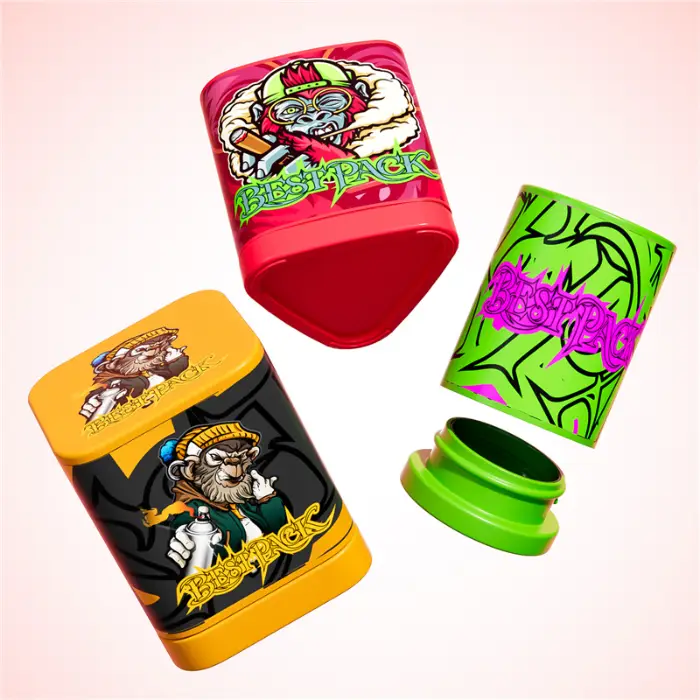
A tall lid rosin jar uses a taller cap to increase the package’s available display area.
It allows a concentrate jar to do more than hold rosin. It becomes a packaging format for communicating product information clearly.
Four Core Packaging Tasks
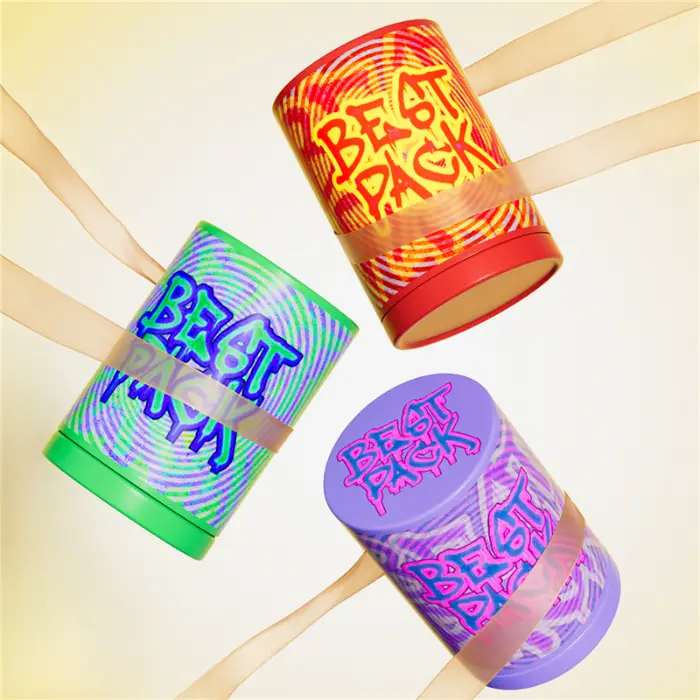
- Store rosin, live rosin, wax, badder, and other concentrates
- Incorporate a child-resistant closure
- Display required Canadian warnings and product labels
- Create clear product recognition on retail shelves
The Practical Value of a Tall Lid
A tall lid creates a more distinct package profile.
The top and side of the cap offer more space for label planning.
Brand information, fill volume, the THC symbol, and health warning content can be displayed in separate zones. This prevents key information from being crowded onto the small jar body.
Canadian Concentrate Packaging Starts With Clear Labelling
Cannabis concentrate packaging for Canada starts with label visibility.
Warning information is not decorative. It must remain clear, prominent, and legible under normal conditions of purchase and use.
Child-Resistant Closures Are a Standard Feature
All tall lid rosin jars use child-resistant closures as a standard feature.
The opening mechanism is structurally designed. Adults can open the package through the required action. Children cannot easily open it by simply twisting the cap.
The THC Symbol Must Be Clearly Displayed
For products with a THC concentration above 10 μg/g, Canadian labels must display the standardized cannabis symbol.
The symbol must appear in the upper-left 25% of the principal display panel.
Its minimum size is 1.27 cm × 1.27 cm.
A tall lid can reserve a larger, clearer display position for this symbol.
Health Warning Messages Must Be Prominent
Canadian cannabis product labels must display health warning messages in a yellow box.
Health warnings and the THC symbol form the package’s central warning information.
The taller cap surface supports planning for a larger, more concentrated warning area. The warning content is also easier to see when products are displayed side by side on retail shelves.
Bilingual Information Must Be Planned Early
Canadian label information generally must be presented in English and French.
For this reason, the label area cannot be designed for single-language copy only.
Fill volume, product class, THC/CBD information, and other required details should all be allocated space during early package development.
How a Tall Lid Improves Shelf Presentation
Shelf presentation allows little time for reading.
Consumers usually notice the jar profile first, then warning symbols, and only then the product name and brand.
A Taller Profile Is Easier to Recognize
A standard low-lid concentrate jar has a flatter profile.
A tall lid rosin jar increases cap height. When multiple jars are displayed together, the package is easier to distinguish on the shelf.
The Cap Top and Side Can Carry Different Information
The cap top is suitable for concise product identification.
For example, it can show a brand name, product line, or fill volume.
The cap side is suitable for label information.
For example, it can display the standardized THC symbol, yellow health warnings, bilingual information, and batch labels.
Information Requires a Clear Priority Order
Warning information should be displayed first.
Product class, concentrate name, and fill volume should follow.
Brand names and decorative finishes should be placed last.
This hierarchy keeps the package professional and prevents brand elements from interfering with warning content.
How Child-Resistant Closures, Threads, and Liners Work Together
A tall lid is not an isolated component.
It must work with the threads, jar mouth, and liner to create a complete closure system.
Child-Resistant Closure Structure
A child-resistant structure controls how the package is opened.
Cap height and sidewall grip directly affect the opening experience for adult users.
A tall lid provides a stable area for applying force and makes the child-resistant opening action more distinct.
Single-Thread Design
A single thread follows a direct screw path.
It closes efficiently.
It suits packaging designs that prioritize a simple and fast opening-and-closing experience.
Double-Thread Design
A double thread provides a tighter screw-fit relationship.
It suits packaging designs that emphasize closure stability and cap-to-mouth fit.
The final choice should be confirmed according to cap design, jar-mouth dimensions, and the child-resistant structure.
PTFE and Silicone Liners
PTFE liners provide a stable surface and suit packaging designs that prioritize a clean contact surface.
Silicone liners provide flexible contact performance.
Both liner options sit between the cap and jar mouth. They strengthen the closure contact and keep the package interior clean.
How to Choose Cannabis Concentrate Jar Capacity
Capacity affects package proportions.
It also affects label area, cap dimensions, secondary packaging, and shelf presentation.
Common Capacities
- 3 ml: suitable for small-format concentrates
- 5 ml: suitable for standard retail packaging
- 7 ml: suitable for products that need more internal space
- 9 ml: suitable for larger fills or product lines with higher display requirements
Capacity Is Not Determined by Millilitres Alone
The same 5 ml capacity can use different diameters and heights.
A wider jar mouth makes it easier to access softer badder or wax.
A deeper jar body makes it easier to create a compact vertical profile.
Capacity Selection Should Be Confirmed Alongside
- Actual fill quantity and concentrate consistency
- Jar-mouth diameter and product access habits
- The area needed for warning labels and bilingual labels
- Retail box, tray, and shelf-display dimensions
Building Brand Recognition Within Canada’s Plain-Packaging Framework
Canadian cannabis packaging restricts the use of colours, brand elements, and graphics.
Brand design must leave adequate space for warning symbols and required product information.
Plan Compliance Information Before Brand Elements
Plan the THC symbol first.
Then plan the yellow health warning message.
Next, arrange bilingual product information.
Finally, add the brand name and permitted visual elements.
This sequence keeps package information clear.
Tall Lids Support Restrained, Consistent Branding
The cap top can be used for product-line identification.
The cap side can be used for labels.
The jar body can be used for strain names, batch information, or QR codes.
Even without complex graphics, the package can create a consistent brand system.
Available Surface Finishes
- UV printing
- Silk-screen printing
- Hot stamping
- Spray coating
- Frosted surface treatment
- Custom labels
All finishes should avoid regulatory label areas so warning information remains clearly visible.
How to Find a Reliable Tall Lid Concentrate Jar Manufacturer
When selecting a supplier, assess the full packaging capability behind the jar.
- Child-resistant closure expertise
Confirm that child-resistant lids are a standard product capability. The supplier should understand how cap height, opening action, threads, jar mouth, and liner work together. - Cap and glass-jar mould development
A capable manufacturer can develop moulds for both the tall lid and the glass jar. This includes jar shape, capacity, neck finish, cap profile, thread structure, and liner position. - Mould design and optimization
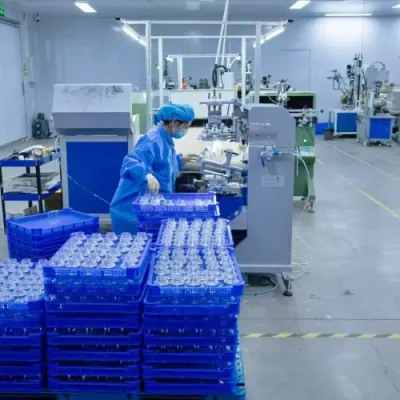
The supplier should optimize mould details before mass production. Key checks include cap-to-jar fit, single- or double-thread engagement, closure stability, wall thickness, dimensional consistency, and reliable child-resistant performance. - Sampling and functional testing
Request samples before placing a production order. Test opening performance, thread smoothness, liner contact, warning-label space, secondary packaging fit, and shelf presentation. - Customization capability
Confirm support for custom capacities, jar shapes, cap colours, surface finishes, labels, and logo applications. A reliable supplier can turn brand requirements into manufacturable packaging details. - Ready inventory and shipping speed
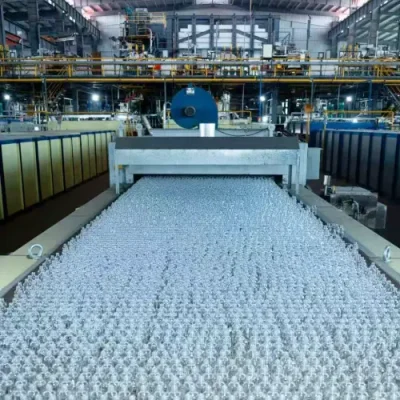
Delivery speed is critical for concentrate packaging. Prioritize suppliers with ready-stock tall lid rosin jars, clear inventory visibility, fast sample dispatch, and dependable lead times for repeat orders. This reduces replenishment risk and helps brands respond quickly to retail demand.
Does a Tall Lid Take Up More Shelf Space?
A tall lid increases vertical display height.
It does not need to significantly increase jar diameter.
By matching jar proportions and outer-box dimensions, tall-lid jars can maintain compact shelf-display efficiency.
Which Parts of a Tall Lid Rosin Jar Can Be Customized?
Capacity, jar shape, tall-lid shape, cap colour, single or double threads, PTFE or silicone liners, label areas, and branding finishes can all be customized.
Jar, cap, and liner moulds can also be developed as one complete packaging system.
Does a Tall Lid Automatically Make Packaging Compliant?
No.
A tall lid only provides better conditions for label planning and shelf presentation.
Whether final packaging complies with Canadian requirements still depends on label content, size, placement, colour, language, and final review by the licence holder.
Conclusion
A tall lid rosin jar brings together high visibility, child-resistant opening, closure structure, and label planning in one concentrate jar system.
The taller cap makes warning symbols easier to see.
Threads and liners make the closure more stable.
Capacity and jar form determine package proportions.
From 3 ml to 9 ml, every tall-lid concentrate jar should be customized around product requirements, label planning, and retail-display needs.
Canadian regulatory label requirements should be confirmed against the latest official guidance and the licence holder’s final review.
EasyJars maintains ready stock of tall lid rosin jars to support fast sampling and reliable supply planning. Contact our team to request free samples for testing, or customize the jar appearance, lid finish, and logo application for your concentrate packaging line.