
“Is smoking weed a sin?” is a question frequently searched and discussed worldwide. Because the concept of “sin” is deeply influenced by religious beliefs, cultural background, legal systems, and personal values, there is no single universal answer.
This article examines the topic from religious, ethical, and legal perspectives, and further explores related real-world issues, including public use compliance, the potential benefits and risks of cannabis, and the importance of safe storage.

Religious Perspectives: Is Smoking Weed Considered a Sin?
In most religious traditions, “sin” does not refer merely to a specific act, but to whether that act violates core moral or spiritual principles.
- Christianity
The Bible does not explicitly mention cannabis, but it emphasizes self-control, sobriety, and clarity of mind. Some Christians believe that if cannabis use leads to addiction, loss of discipline, or neglect of responsibility, it may conflict with Christian values. - Islam
Islam strongly discourages substances that impair judgment or consciousness. Many Islamic scholars consider cannabis to fall under prohibited intoxicants. - Buddhism
Buddhist precepts encourage mindfulness and avoiding substances that cloud awareness. The focus is on whether a behavior interferes with clarity, discipline, and spiritual practice.
From a religious standpoint, whether cannabis use is considered a sin often depends on intent, impact, and consequences, rather than the substance alone.
Legal Reality: Where Is Cannabis Use Decriminalized or Legal?
It is important to distinguish between sin and illegality. Globally, laws regarding cannabis vary significantly.
Below is a non-exhaustive overview of countries and regions where cannabis use is legal or decriminalized (policies may change):
- Canada: Recreational and medical cannabis are legal
- Uruguay: Fully legalized at the national level
- United States (certain states): States such as California and Colorado have legalized recreational use, though federal restrictions still exist
- Netherlands: Cannabis is tolerated under a non-criminal framework in designated venues
- Germany: Recent policy changes have relaxed personal possession and use
- Thailand: Cannabis was decriminalized for a period; regulations continue to evolve
Always verify current local laws, as regulations can change over time.
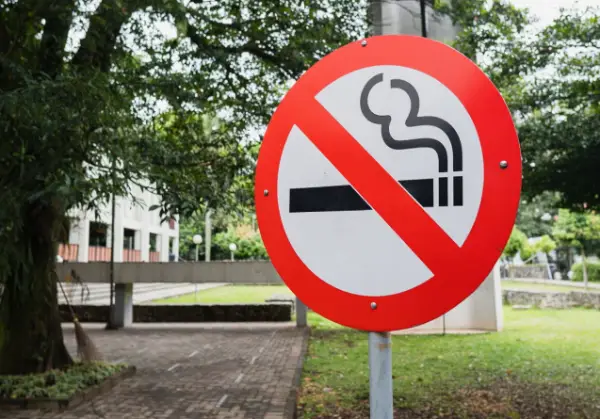
Reasonable Use in Public Spaces: Compliance and Social Responsibility
Even in regions where cannabis is legal or decriminalized, public use is not unrestricted.
From a legal and social responsibility standpoint, reasonable use generally includes:
- Respecting public-use bans, such as in schools, hospitals, and public transportation
- Avoiding disturbance to others, including strong odors or impaired behavior
- Following age limits and designated-area regulations
- Respecting local culture and community standards
The emphasis here is on legal compliance and public order, not on usage methods.
Potential Benefits and Risks of Cannabis (Objective Overview)
Potentially Reported Benefits
(often discussed in medical or research contexts)
- May help relieve chronic pain or discomfort in certain medical situations
- Some individuals report reduced stress or improved relaxation
- In specific clinical settings, cannabis may be used as a complementary treatment under professional supervision
Possible Risks and Downsides
- May impair attention, judgment, and reaction time
- Long-term or frequent use may carry dependency risks
- Potential negative impact on adolescent brain development
- Legal consequences in regions where cannabis remains restricted
Cannabis is therefore not risk-free, and its effects depend heavily on individual factors and context.
Why Is Proper Storage Important?
When discussing “is smoking weed a sin,” a practical issue often arises: how to store cannabis responsibly without creating safety or social risks. Emphasizing storage is about risk management and responsibility, not promotion.
- Preventing odor leakage and minimizing impact on others
Cannabis has a strong natural odor. Improper storage can allow smells to spread indoors or into shared spaces, potentially causing discomfort or disputes. Proper sealing helps maintain a respectful living environment. - Reducing moisture exposure, mold, and degradation
Humidity and water exposure can accelerate deterioration and lead to mold. Moisture-resistant storage helps preserve stability and reduces potential health concerns. - Lowering the risk of accidental access by children or pets
Items left unsecured may attract curiosity. Child-resistant storage significantly improves household safety and reflects responsible behavior. - Meeting compliance and responsibility standards
In some jurisdictions, even when use is legal, storage methods are regulated. Proper storage helps avoid unnecessary legal or administrative issues. - Maintaining cleanliness and order in daily living spaces
Organized storage prevents clutter and supports a clean, orderly home environment, showing respect for shared living spaces.
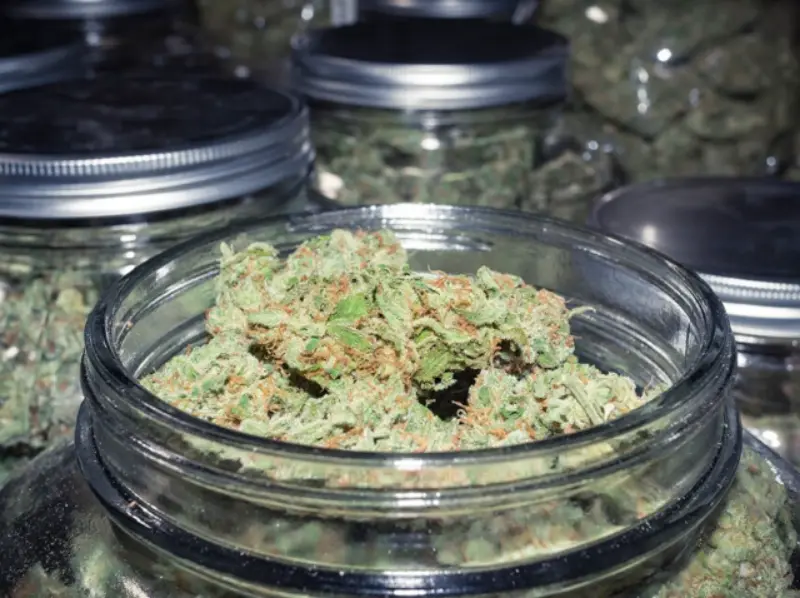
Advantages of Glass Jar Storage
Among common storage options, glass weed jar packaging is often considered a stable and reliable choice due to several key advantages:
- Child-resistant features
Screw-top or reinforced sealing designs can help reduce the likelihood of accidental opening by children, improving household safety. - Moisture-proof and water-resistant properties
Glass does not absorb moisture. When combined with airtight seals or gaskets, it effectively blocks humidity and water exposure. - Strong sealing and odor control
Properly sealed glass jars help limit odor leakage, making them more considerate for shared living environments. - High chemical stability and easy cleaning
Glass does not react with contents and does not retain odors easily, making it durable and reusable.
All storage practices involving regulated substances should comply with local laws and regulations.

Conclusion
Returning to the original question: Is smoking weed a sin?
The answer is not a simple yes or no. It depends on religious beliefs, legal context, ethical standards, and personal responsibility. In modern society, understanding differences, respecting regulations, and managing real-world risks are often more constructive than assigning absolute moral labels.
Regardless of personal views, rational discussion, legal awareness, and safety considerations remain essential.
if you want to know more details and get a package solution for your weed,you can feel free to contact with us.