
In recent years, with the growing global attention to cannabis plants and their derived products, the Hemp vs Marijuana difference has become an increasingly important topic in academic research, industrial development, and public policy discussions. Although both originate from plants of the Cannabis genus, typically classified under the species Cannabis sativa, they are widely regarded as two distinct crop types in practical applications and public perception. This distinction mainly arises from differences in chemical composition, genetic selection, cultivation objectives, and legal regulatory frameworks.
This article will conduct a systematic and in-depth comparative analysis of Hemp and Marijuana from multiple perspectives, including botanical foundations, chemical composition structure, application fields, agricultural cultivation models, industrial value, and legal policy environments, in order to help readers fully understand the differences between the two.
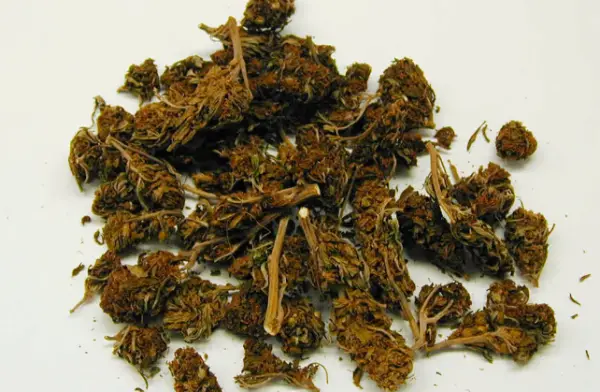
Botanical Origin and Classification Basis
From a botanical perspective, industrial hemp and marijuana both belong to the family Cannabaceae and the genus Cannabis.
At present, the academic community generally considers that cannabis plants mainly include the following subspecies or types:
- Cannabis sativa (tall type, often used for industrial purposes)
- Cannabis indica (shorter plant type, commonly used for medicinal or recreational purposes)
- Cannabis ruderalis (wild type, often used for hybrid breeding)
It should be noted that “Hemp” and “Marijuana” are not strict botanical classifications, but rather functional classifications based on usage and chemical composition. In other words, they essentially belong to the same plant system, but through long-term selective breeding, humans have gradually developed two varieties with different characteristics.
In the breeding process, industrial hemp (Hemp) focuses more on:
- Stem fiber length and strength
- Seed yield
- Biomass
- Low THC content
While the breeding focus of Marijuana is on:
- Flower buds yield
- Trichomes density
- THC content
- Flavor compounds (terpenes)
Therefore, from the perspective of genetic selection direction, the two have already formed significant differences in agricultural practice.
Differences in Chemical Composition: THC and CBD Content Structure
The most fundamental and decisive difference between industrial hemp and marijuana lies in the structure of cannabinoids contained in them.
More than 100 cannabinoid compounds have been identified in cannabis plants, among which the most important components include:
- THC (Tetrahydrocannabinol)
- CBD (Cannabidiol)
- CBG (Cannabigerol)
- CBN (Cannabinol)
1. THC (Psychoactive Substance)
THC is a compound with psychoactive effects. It can act on the Endocannabinoid System (ECS) in the human body, especially the CB1 receptors in the brain.
This interaction may produce:
- Feelings of pleasure or excitement
- Enhanced sensory perception
- Changes in time perception
- Increased appetite
In the legal systems of most countries, a THC content of 0.3% is used as the dividing line between industrial hemp and marijuana.
2. CBD (Non-Psychoactive Component)
Unlike THC, CBD does not produce obvious psychoactive effects. Research indicates that CBD may have the following potential functions:
- Anti-inflammatory
- Anxiolytic
- Neuroprotective
- Anti-epileptic
3. Composition Differences Between Hemp and Marijuana
| Type | THC Content | CBD Content | Physiological Effects |
|---|---|---|---|
| Industrial Hemp (Hemp) | ≤0.3% | Higher | Does not produce psychoactive effects |
| Marijuana | 5%–30% or even higher | Relatively lower | Psychoactive, may cause intoxicating effects |
This difference in composition structure directly determines their different positioning in industrial applications and legal regulation.
Plant Morphology and Growth Characteristics
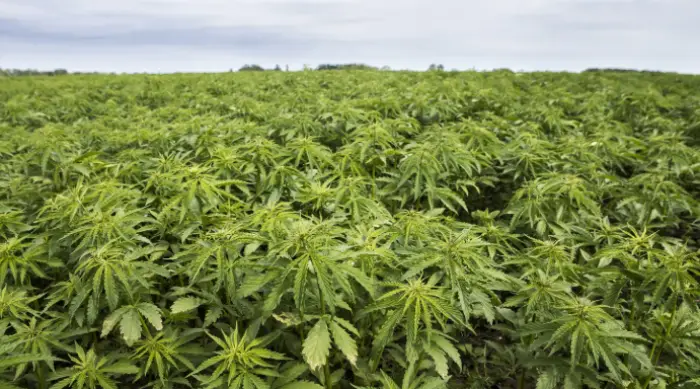
Under the influence of long-term artificial selection, industrial hemp and marijuana also show clear differences in plant morphology.
1. Morphological Characteristics of Industrial Hemp
Industrial hemp usually exhibits the following characteristics:
Hemp plants can reach 3–5 meters in height, with long and slender stems and high fiber content, and relatively few branches, while leaves are distributed more sparsely.
This structure is conducive to fiber extraction and mechanized agricultural production. Industrial hemp is usually cultivated using high-density planting, with dozens of plants possibly grown per square meter.
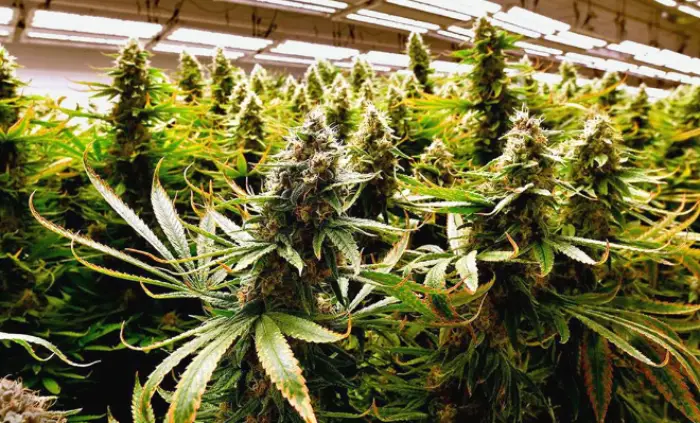
2. Morphological Characteristics of Marijuana
In contrast, marijuana plants are usually shorter and more shrub-like in structure, with numerous branches, densely growing flowers with high resin content, and dense leaves.
This structure is conducive to producing more flower buds and trichomes, which are the main sources of THC and other cannabinoids.
Agricultural Cultivation Methods and Production Objectives
Due to different uses, industrial hemp and marijuana adopt different cultivation models in agricultural production systems.
1. Agricultural Production Model of Hemp
Industrial hemp is usually regarded as a large-scale agricultural crop, with the following characteristics:
- Mechanized planting and harvesting
- High-density sowing
- Short cultivation cycles
- Emphasis on yield and biomass
Its main production objectives include:
- Hemp fiber
- Hemp seeds
- CBD extraction from hemp plants
2. Cultivation and Management Model of Marijuana
In contrast, marijuana cultivation is usually more refined, similar to horticulture or high-value economic crop production.
Its characteristics include:
- Controlling light cycle duration
- Temperature and humidity management
- Indoor or greenhouse cultivation
- Precise nutrient management
Its core objectives are:
- Increasing the number and yield of cannabis flowers
- Increasing THC concentration
- Improving aroma and flavor characteristics (terpene profile)
Industrial Uses and Economic Value
Industrial Hemp Industry Chain
Industrial hemp is an extremely versatile crop, and its industry chain involves multiple industries.
Ropes and industrial fibers
These are mainly used for producing fishing nets, ropes, and industrial ropes. Such ropes are strong with excellent tensile performance, resistant to wear, resistant to mold, more resistant to saltwater corrosion, and have a relatively rough surface with higher friction, preventing slippage.
Textile materials and environmentally friendly clothing
Hemp can be spun into yarn and woven into linen fabric, canvas, denim, and knitted fabrics. Its fibers are strong, wear-resistant, moisture-absorbing, and breathable, therefore it is often used to produce clothing fabrics, durable home textiles, and canvas products. It is also becoming increasingly popular among environmentally friendly textile materials.
Food Industry
Hemp (industrial hemp) is increasingly used in the food industry, among which hemp seeds, hemp protein powder, and hemp seed oil are the most common.
Hemp seeds are rich in high-quality protein, unsaturated fatty acids, dietary fiber, and minerals, and can be directly used as nutritional food ingredients in cereals, baked foods, and plant-based milk.
Hemp protein powder processed from hemp seeds has a good amino acid composition and high digestibility, and is commonly used in plant-protein beverages, functional foods, and sports nutrition products.
Hemp seed oil is rich in omega-3 and omega-6 polyunsaturated fatty acids, with good nutritional value and health potential, and is widely used in salad oils, dietary supplements, and premium edible oils.
Therefore, industrial hemp has great development and application potential in the health food and functional food sectors.
Building Materials
In the field of building materials, Hemp (industrial hemp) can be used to produce Hempcrete, an ecological building material made from hemp hurd, lime, and water.
Hempcrete is lightweight, provides thermal insulation, breathability, humidity regulation, and sound insulation, and can improve building energy efficiency and living comfort.
Health and Beauty Products
In the field of health and beauty products, Hemp (industrial hemp) is widely used in various product developments.
For example:
CBD oil is commonly used in health products and is believed to help relieve stress and improve sleep.
In skincare products, hemp seed oil is rich in unsaturated fatty acids and vitamins, with moisturizing and antioxidant effects, and is therefore commonly used in creams and body care products.
Industrial hemp can also be used to produce various health foods and dietary supplements.
Due to its short growth cycle, low resource consumption, and environmental friendliness, industrial hemp is considered an important resource for promoting green industries and sustainable agriculture.
Marijuana Industry
The marijuana industry is mainly concentrated in the following areas:
Medical Cannabis
The Marijuana industry is currently mainly focused on the medical cannabis field.
Research indicates that the active components in cannabis may have potential applications in the treatment of various diseases, such as:
- Relieving chronic pain
- Controlling epileptic seizures
- Reducing symptoms related to multiple sclerosis
- Alleviating nausea and vomiting caused by chemotherapy during cancer treatment
Recreational Cannabis
In the recreational cannabis sector, some countries and regions have allowed adults to use cannabis for relaxation and recreational consumption under legal regulation.
With the development of legalization, the market has gradually formed, including:
- Cannabis flowers
- Vaporization products
- Edible products such as candies and beverages
The development of this industry has also driven related retail and processing industries, and has brought new tax revenues and employment opportunities to some regions.
Hemp and Marijuana: Which Products Need Storage and How to Store Them
Storage of Hemp (Industrial Hemp) Products
1. Hemp Seeds and Hemp Seed Oil
These are mainly used in food and health products.
Because hemp seed oil is rich in polyunsaturated fatty acids and easily oxidizes, it usually needs to be sealed, protected from light, and stored in a low-temperature environment (such as refrigeration).
Hemp seeds should be stored in a dry, cool, and low-humidity environment to prevent moisture, mold growth, or loss of nutritional components.
2. Industrial Hemp Flowers and Extracts (CBD)
Industrial hemp flowers are commonly used to extract CBD (Cannabidiol) and other active components.
Dried hemp flowers are generally stored in sealed containers, with moderate humidity (about 55–62%) and light-protected conditions, to prevent mold growth and component degradation.
Extracted CBD oil or extracts are usually stored in dark glass bottles, sealed and kept in cool or refrigerated environments, to reduce the effects of light exposure and oxidation on product quality.
Storage of Marijuana Products
1. Cannabis Flower
In the medical or recreational cannabis industry, dried cannabis flower is one of the main products.
During storage, it usually requires:
- Sealed child-resistant glass containers
- Light-protected environments
- Stable humidity levels (about 55–62%)
This helps maintain the stability of active components (such as THC) and aromatic substances.
At the same time, high temperatures and air exposure must be avoided to prevent component volatilization or quality degradation.
2. Cannabis Extracts and Edible Products
Cannabis can also be processed into extracts (such as THC oil and tinctures) and edible products (such as candies, chocolate, and beverages).
Extracts generally need to be stored in dark bottles, sealed, protected from light, and kept at low temperatures, to reduce oxidation and component degradation.
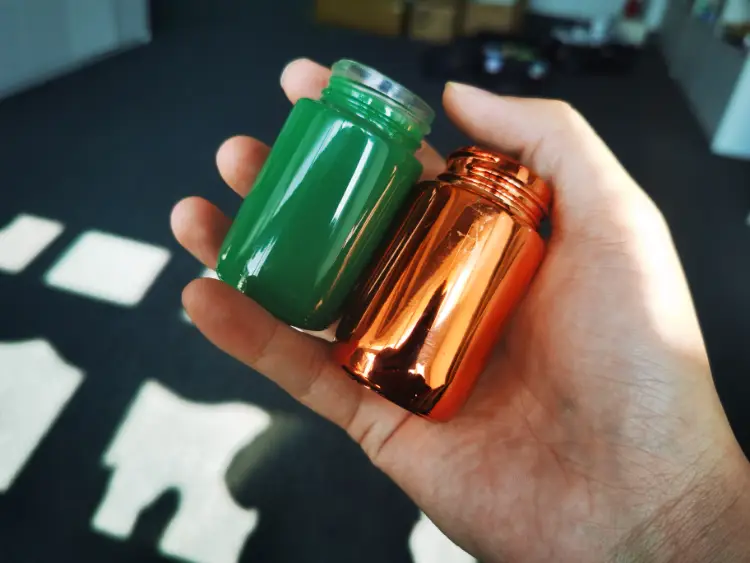
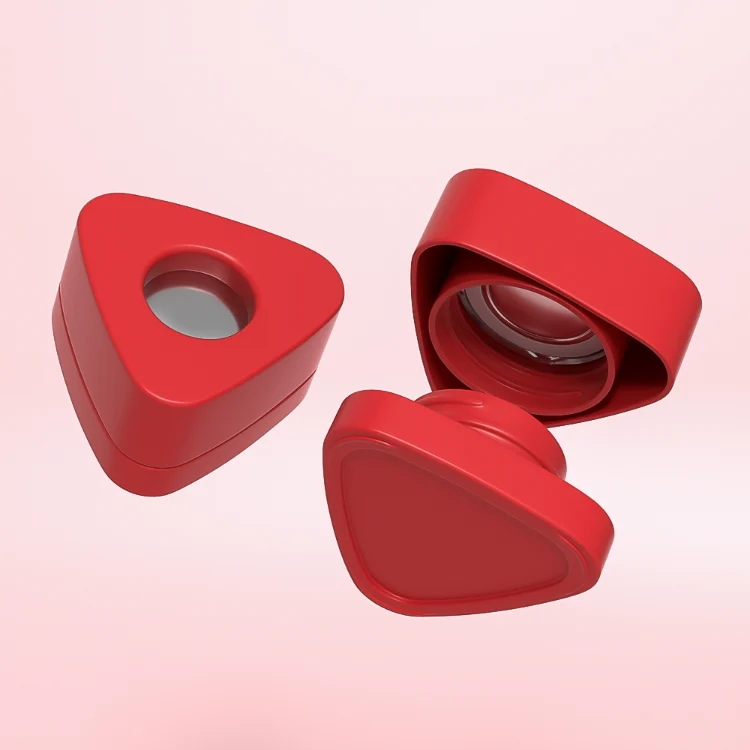
Edible cannabis products need to be stored according to food standards. Usually our customers use special UV-resistant mini concentrate jars, typically with a capacity of 3–10 ml, and equipped with labels and press-and-turn caps to ensure they cannot be opened or accessed by children.
Legal Regulation and Policy Environment
There are significant differences in regulations regarding industrial hemp and marijuana among countries worldwide, but the general trend is:
Industrial Hemp
In many countries and regions, it can be legally cultivated under licensing systems and strict regulation, such as China, Canada, the United States, France, and Germany.
These countries usually regulate the cultivation, processing, and circulation of industrial hemp, requiring license approvals, restricting seed varieties, and regularly testing THC content to ensure it does not produce psychoactive effects.
With the development of the green economy and sustainable agriculture, industrial hemp is increasingly valued in industries such as food, textiles, and environmentally friendly materials.
Marijuana
In contrast, Marijuana, due to its higher THC content, is still classified as a controlled substance or illegal drug in most countries.
For example, Japan, South Korea, Singapore, and the United Arab Emirates strictly prohibit it.
Meanwhile, some countries and regions allow cannabis for medical or recreational purposes, such as Canada, Uruguay, Thailand, and some states in the United States.
Overall, most national legal systems still use THC content thresholds as the key standard to distinguish industrial hemp from marijuana, and establish different regulatory frameworks based on public health and social policy considerations.
Social Awareness and Future Development Trends
With the advancement of scientific research and industrial development, people’s understanding of cannabis plants is continuously deepening.
Industrial hemp, due to its environmental friendliness, economic value, and multifunctionality, is becoming an important direction in global agricultural innovation.
At the same time, research on medical cannabis is also expanding, providing new therapeutic possibilities for certain difficult-to-treat diseases.
In the future, with policy adjustments and technological progress, both industrial hemp and medical cannabis industries may play a greater role in agriculture, medicine, and biotechnology.
Conclusion
Overall, although Hemp (industrial hemp) and Marijuana belong to the same plant system botanically, they have significant differences in chemical composition, application fields, morphological structure, agricultural production methods, and legal regulation.
Industrial hemp, with its low THC content and wide industrial uses, is regarded as an important sustainable agricultural resource.
Marijuana, due to its higher THC content, is mainly used in medical or recreational fields and is subject to stricter legal regulation.
Understanding the differences between the two not only helps the public correctly understand cannabis plants, but also helps promote the healthy development of related industries within scientific and legal frameworks.if you want know more details or get a package solution of your seed/cannabis oil,you can contact us.