Customizing weed storage jars means fitting brand visuals into the space allowed by the target market while displaying all required information. The design process should follow this order: confirm the requirements of the sales market, plan the label content, choose a printing method, and approve the production artwork.

How do different sales markets affect brand design?
Determine where the product will be sold before deciding whether a logo, colors, or graphics can be printed on the jar. Markets restrict brand elements in different ways, so one artwork file may not work across all of them.
New York State has specific requirements for the principal display panel, required information, and text formatting on adult-use cannabis products. Canada applies plain-packaging rules that restrict brand elements on container surfaces while allowing the brand name and limited brand elements on the label under specified conditions. In Germany, cultivation associations must use neutral packaging when providing cannabis to members; this requirement applies to that specific distribution setting.
The design brief should therefore state the sales region, product category, and sales channel. The designer can then prepare the appropriate version, which the brand should review to confirm that its wording and graphics suit that market.
How should label information be organized for readers?
Identify the required content and where it must appear before allocating the remaining space to brand visuals. Mark the brand name, product information, warning text, and required symbols separately in the artwork so there is no need to shrink the type at a later stage.
Information must be easy to read, not merely fit on the label. Check the contrast between text and background, whether information is grouped clearly, and whether consumers can find key details at a normal retail viewing distance. In New York State, for example, a QR code cannot replace information that must appear directly on the package. If space is limited, consider multilayer or expandable labels where local rules permit them.
How should you choose between direct printing and labels?
Direct printing suits designs that will remain stable over time; labels make it easier to distinguish product versions and update content. Before choosing a method, confirm where the target market allows graphics to appear. Canada, for example, restricts brand elements on container surfaces, so a jar logo used in another market cannot simply be carried over.
| Method | Main use | Confirm before printing |
|---|---|---|
| Direct printing on the jar | Displaying a stable brand design | Printable area, color proof, suitability of the printing process, and artwork revision process |
| Pressure-sensitive labels | Distinguishing product lines or market versions | Label dimensions, seam position, material, and application accuracy |
| Fixed design with variable data printing | Maintaining a consistent appearance while updating product or batch details | Data fields, print position, verification, and traceability |
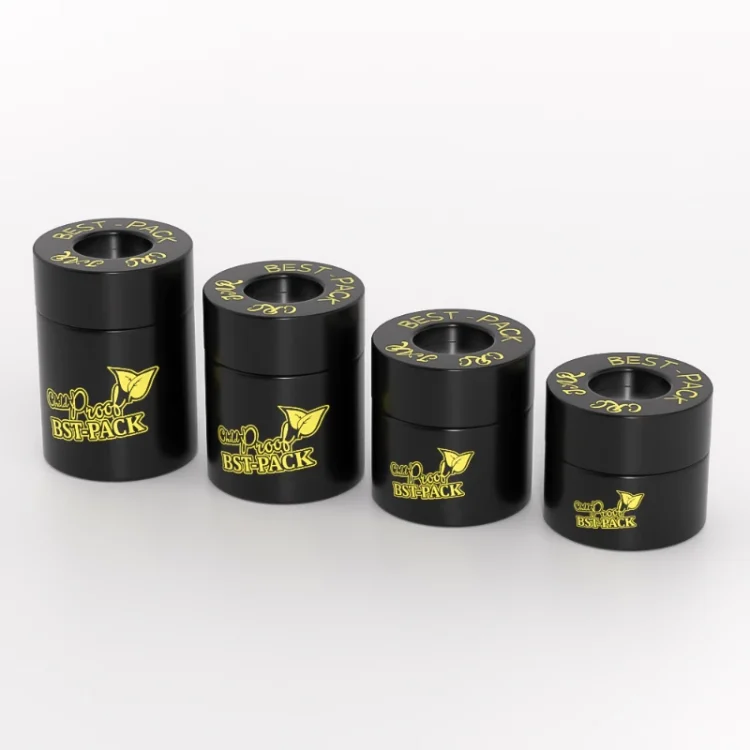
How should variable information be managed across product varieties?
Produce fixed brand elements separately from information that changes, so each variety does not require a fully preprinted package. The brand should list the fields that need to change by product and sales market, then decide whether they will be printed by the supplier or on the packaging line.
The list should identify the source of each field, the person responsible for checking it, and the corresponding artwork version. Before production, check the type size, character spacing, and reserved area so that longer variety names or batch codes do not run beyond their boundaries. Industry suppliers offer variable data printing for batch and serial information, making it an available production option.
How should printed proofs be reviewed?
Review both content accuracy and the appearance of the physical print. Colors, text size, and placement on a screen may differ from the finished printed or labeled product.
Check the wording, required symbols, type, colors, label alignment, and barcode scanning one by one. For multiple markets or varieties, approve a separate proof for each and identify its intended use in the file name or version record. Any change to the wording or design should generate a new version for approval so outdated artwork does not enter production.
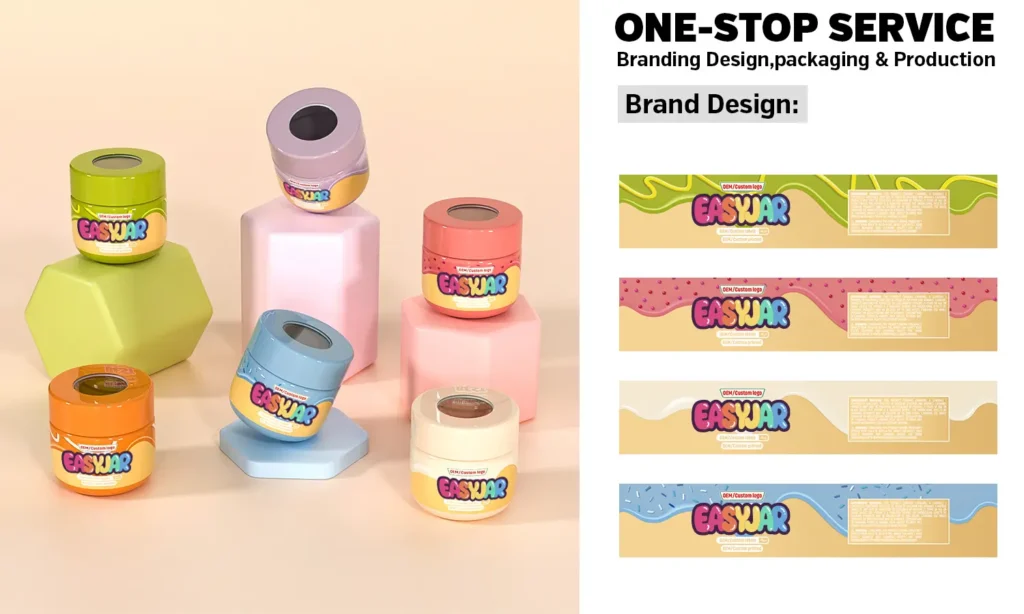
Which files should be delivered before placing an order?
The brand should provide approved final copy and artwork; the supplier should confirm the printable specifications and production proof. Both parties should also define who approves the final version, who supplies variable data, and how production will be notified of revisions.
Each printing order should correspond to a defined market version, artwork version, color proof, and label file. Recording these details in the order and production records helps keep future reorders consistent.