Many people assume that cannabis is a plant product that “won’t go bad as long as it’s dry,” but this belief is inaccurate. In reality, weed shelf life is influenced by environmental exposure and storage conditions, much like tea, spices, and other dried herbs. When cannabis is stored improperly, it gradually degrades, losing quality and potency and, in some cases, posing potential health risks.
Understanding whether cannabis can go bad, how to distinguish fresh cannabis from degraded or moldy material, what health effects may arise from using compromised cannabis, and how risks can be reduced from a knowledge perspective is essential for harm awareness.
Does Weed Go Bad?
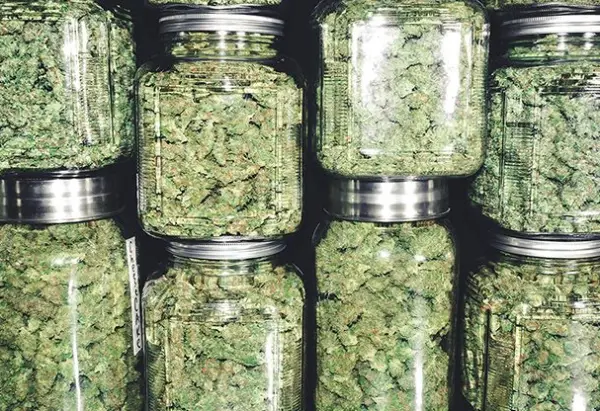
The answer is clear: yes, it does—and degradation is unavoidable.
Even after drying, cannabis remains a plant material containing aromatic compounds, active constituents, and residual moisture. Over time, the following changes may occur:
- Active compounds gradually break down, reducing overall potency
- Aromatic compounds evaporate or transform, dulling the scent
- Mold or microbial growth may occur if humidity or conditions are unbalanced
“Expiration” in this context is not a single moment, but a gradual decline in quality and safety.
Visual and Physical Differences Between Good and Bad Cannabis
The physical appearance and texture of cannabis can provide initial clues about its condition.
Fresh or well-preserved cannabis typically shows:
- Natural coloration, often green or cultivar-specific hues
- Intact flower structure without excessive crumbling
- A dry yet slightly resilient texture
- Clean surfaces without unusual spots or residues
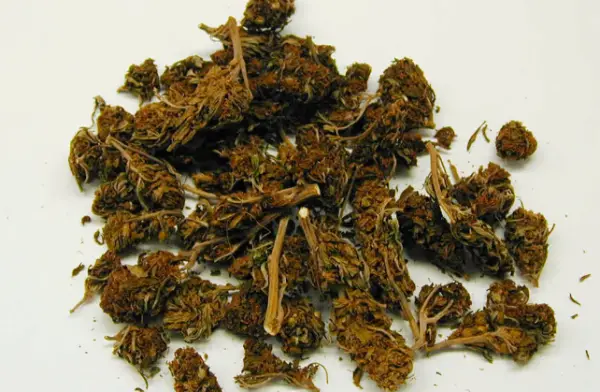
Degraded or compromised cannabis may display:
- Darkened, grayish, or brown discoloration
- White, gray, or black powdery or fuzzy patches (possible mold)
- Abnormal moisture, clumping, or excessive brittleness
- A dull, lifeless overall appearance
Among these, mold growth presents the most serious risk.
Smell Differences Between Good and Bad Cannabis
Aroma is often a more reliable indicator than appearance.
- Fresh cannabis: smells clean, defined, and plant-like, with recognizable herbal or cultivar-specific notes
- Bad or moldy cannabis:
- Smells musty, like a damp basement
- May carry sour, rotten, or “wet cloth” odors
- Feels harsh, unpleasant, or instinctively off-putting
A simple guiding principle applies:
If the smell triggers discomfort or aversion, it is likely a warning sign rather than imagination.
Can Using Bad Cannabis Make You Sick?
Yes—there is a real possibility of adverse health effects.
Moldy or degraded cannabis may contain fungal spores or metabolic byproducts. Inhalation can potentially cause:
- Throat irritation, coughing, chest discomfort
- Headaches, nausea, or general malaise
- Increased respiratory stress
For individuals with asthma, compromised immunity, or chronic respiratory conditions, the risk may be significantly higher. Importantly, heat exposure does not reliably neutralize mold-related hazards, so continued use is not considered safe.
What If Someone Accidentally Uses Bad Cannabis? Harm-Reduction Considerations
It is important to state clearly: there is no true “fix” that reverses the risk once exposure has occurred. Only mitigation and prevention of further harm are possible.
1. Immediate response principles
- Stop using the material immediately
- Avoid further exposure to the same source
- Monitor physical symptoms carefully
2. When to seek medical attention
Medical evaluation is recommended if any of the following occur:
- Difficulty breathing or persistent chest pain
- Fever or severe coughing
- Symptoms that do not resolve over time
- Pre-existing respiratory or immune conditions
In medical settings, accurate disclosure of exposure history supports better clinical judgment. Health should always take priority over hesitation or stigma.
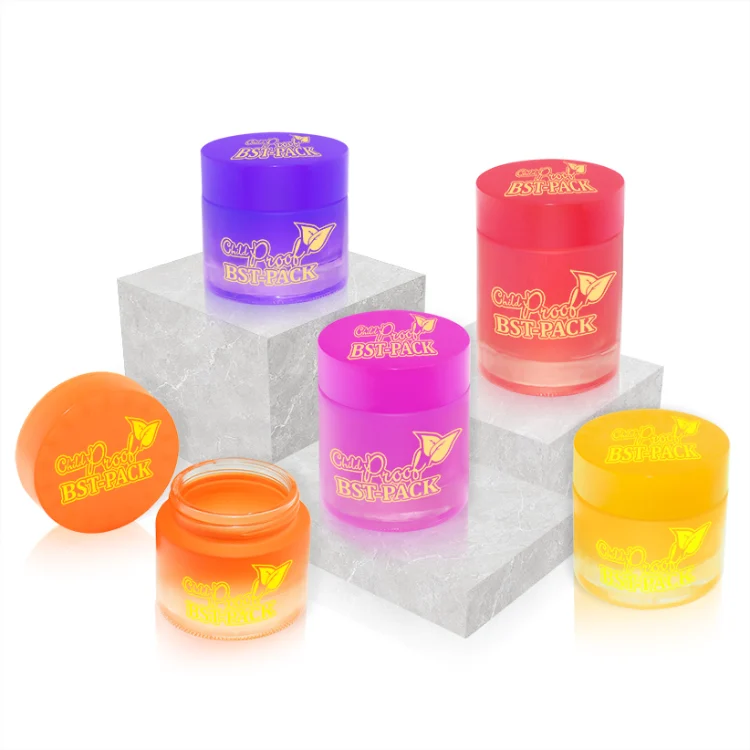
What Types of Containers and Packaging Help Increase Weed Shelf Life?
From a conceptual standpoint, storage containers do not “preserve indefinitely” but instead slow down degradation by limiting environmental stress.
Common storage packaging options (by function)
- Reduce continuous air exchange
- Protect flower structure from physical damage
- Better suited for stable storage environments
- Minimize light-induced degradation
- Help maintain aromatic and chemical integrity
3. Multi-layer composite packaging
- Combines air, light, and environmental barriers
- Uses redundancy to slow overall deterioration
4. Short-term portable packaging
- Convenient for transport
- Typically less stable for long-term storage
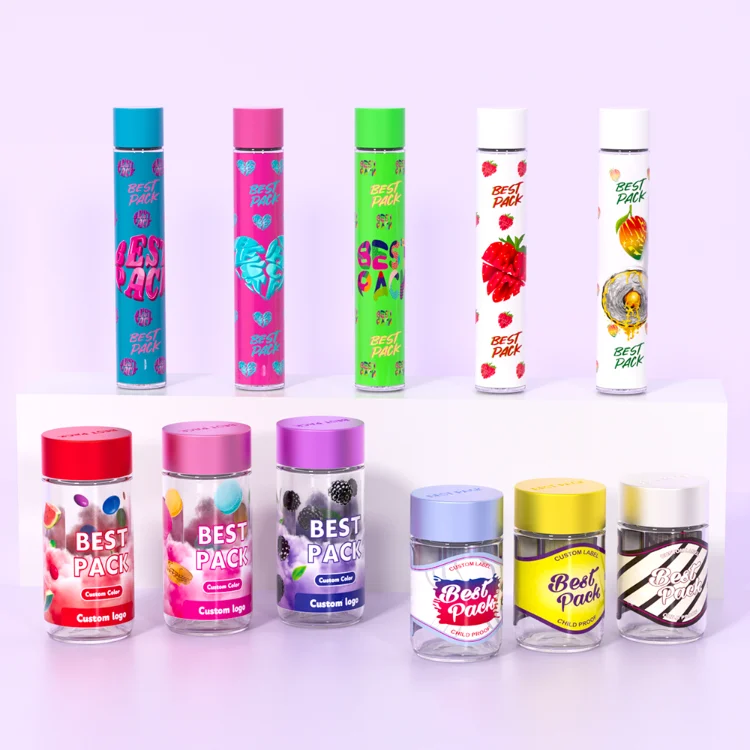
Conceptual approach to “customized” storage
Customization does not mean complexity or expense. It means aligning storage choices with individual habits, such as:
- Frequency of opening
- Need for portability
- Intended storage duration
Reducing repeated exposure and environmental fluctuation is often more impactful than pursuing “premium” materials alone.
Key Factors That Affect Cannabis Freshness
Freshness is influenced by multiple interacting variables:
- Air – oxygen accelerates chemical degradation
- Light – prolonged exposure damages active compounds
- Humidity – excess moisture promotes mold; dryness accelerates aging
- Temperature – heat speeds up chemical change
- Time – even ideal conditions cannot stop gradual decline
Freshness management is ultimately about minimizing the combined impact of these factors.
How Should Bad Cannabis Be Disposed Of?
Once cannabis shows clear signs of degradation or mold, discontinuing use is the safest option.
Why “salvage attempts” are discouraged
- Mold may penetrate deeper than visible surfaces
- The extent of contamination is not visually measurable
- Health risks outweigh any remaining value
Basic disposal principles
- Do not use or pass it to others
- Keep it separate from uncontaminated items
- Minimize direct handling and dispose responsibly
The guiding rule is simple:
When safety is uncertain, discarding the material is the rational choice.
Conclusion: Prioritizing Health Over the Fear of Waste
Cannabis is not immune to time or environment. It degrades, loses quality, and—under certain conditions—can become unsafe. Learning to recognize warning signs, understanding storage limitations, and choosing to stop use when problems appear are all acts of personal responsibility.
Health always outweighs the value of any single use.
This is not over-caution—it is informed judgment.