As marijuana legalization continues to expand across the United States, Las Vegas—one of the world’s most famous entertainment and tourism destinations—has become a frequent point of curiosity. Tourists, short-term visitors, and industry observers alike often ask the same question: Is marijuana legal in Las Vegas? If so, how can it be purchased, paid for, properly packaged, and safely stored?
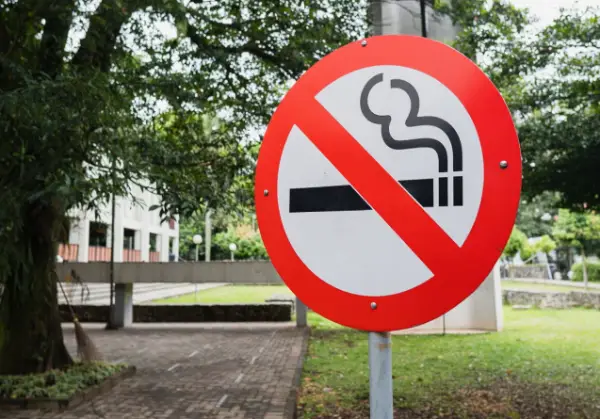
The answer is clear: marijuana is legal in Las Vegas, but only within a strict regulatory framework. This article provides a comprehensive and practical overview of the legal background, purchasing process, payment methods, compliant packaging options, and safe storage requirements.
Is Marijuana Legal in Las Vegas
Las Vegas is located in the state of Nevada. In 2016, Nevada voters approved recreational marijuana through a statewide ballot initiative, and legal retail sales officially began in 2017, allowing adults to purchase and use marijuana under defined conditions.
It is important to understand the broader legal context:
- Marijuana remains illegal under U.S. federal law
- State authorities regulate the market through licensing, tracking systems, and packaging rules
- The core objectives of legalization are to control distribution, protect consumer safety, and restrict access by minors
As a result, marijuana legalization in Las Vegas represents limited, regulated legality rather than unrestricted use.
How to Legally Purchase Marijuana in Las Vegas
Authorized Purchasing Channels
In Las Vegas, all marijuana products must be purchased from state-licensed retail dispensaries. These establishments typically feature:
- On-site security personnel
- Mandatory ID checks before entry
- Clearly organized product displays and transparent pricing
- Trained budtenders who provide guidance on usage and dosage
Street sales, unauthorized retailers, or private resale are illegal—even if all parties involved are adults.
Age and Identification Requirements
To legally purchase marijuana, customers must:
- Be 21 years of age or older
- Present valid government-issued identification, such as:
- A passport (accepted for international visitors)
- A U.S. driver’s license or state ID
Many dispensaries require ID verification even for entry or browsing.
Types of Marijuana Products Available
Licensed dispensaries in Las Vegas offer a wide range of marijuana products designed to meet different experience levels and usage preferences:
- Flower
The most traditional form of marijuana, typically smoked or vaporized. It produces fast effects and allows immediate dose control, but has a strong odor and is less discreet. - Pre-Rolls
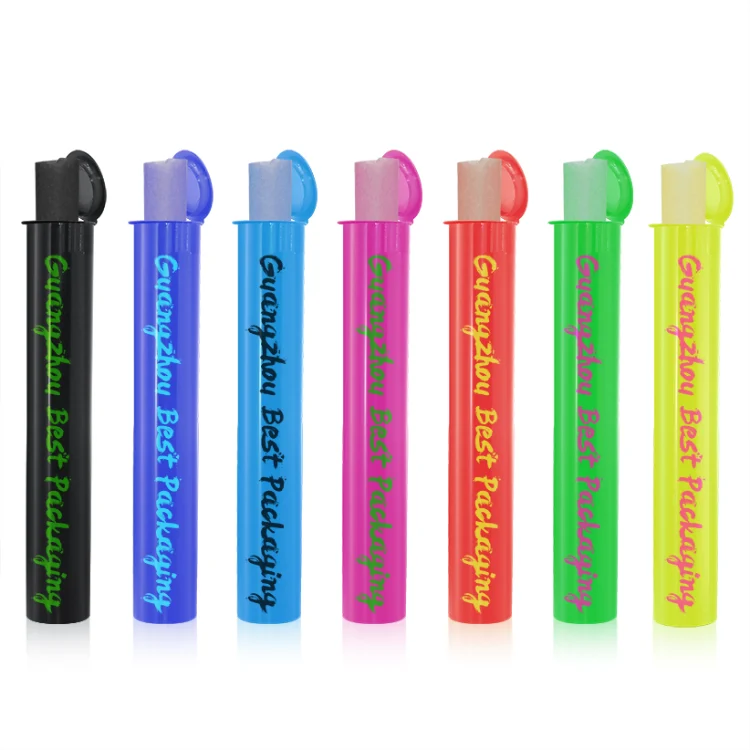
Pre-rolled marijuana cigarettes prepared by the dispensary. Convenient and beginner-friendly, especially for tourists, though dosage is fixed and requires mindful consumption. - Edibles (gummies, chocolates, beverages)
Absorbed through digestion, edibles take longer to take effect—often 30 minutes to 2 hours—but last significantly longer. Overconsumption is a common risk for inexperienced users. - Concentrates (oils, wax, resin)
Highly potent products with elevated THC levels. Typically used with specialized devices and best suited for experienced consumers due to increased intensity. - Vape Products
Heated rather than burned, producing vapor instead of smoke. They emit less odor and are more discreet, but product quality and device reliability are especially important. - Topicals
Applied directly to the skin and do not produce psychoactive effects. Often used for localized relief and suitable for those who wish to avoid intoxication.
Payment Methods: Cash or Card?
Cash as the Primary Payment Method
Because of federal banking restrictions, most traditional financial institutions do not fully service the marijuana industry. As a result:
- Cash remains the most common and reliable form of payment
- Most dispensaries provide on-site ATMs
- Cash transactions are straightforward and rarely declined
Visitors are advised to bring sufficient cash when planning a purchase.
Card and Electronic Payment Alternatives
Some dispensaries offer limited alternatives, including:
- Debit card payments, processed similarly to ATM withdrawals
- Cashless ATM systems, which round transactions to preset amounts and return change
- Certain localized electronic payment platforms
However, traditional credit cards such as Visa and MasterCard are generally not accepted.
Marijuana Packaging Options Explained
Core Legal Packaging Requirements
Nevada regulations require marijuana packaging to meet several objectives:
- Prevent access by children
- Protect products from tampering
- Minimize odor leakage
- Provide clear and complete product and safety information
Packaging is therefore not merely a marketing tool, but a core element of legal compliance.
Common and Legal Marijuana Packaging Formats
- Child-Resistant Packaging
Designed with push-and-turn caps or dual-action mechanisms to significantly reduce the risk of accidental access by children. This is a mandatory requirement, especially for edibles and high-THC products. - Sealed Packaging
Protects products from contamination and moisture while reducing odor leakage. Sealed packaging also demonstrates that a product has not been opened prior to sale. - Opaque Packaging
Prevents contents from being visible, reducing appeal to minors and protecting cannabinoids from light degradation. - Tamper-Evident Packaging
Clearly indicates whether a product has been previously opened, enhancing consumer confidence and retail security. - Sustainable or Recyclable Packaging
Increasingly adopted to reduce environmental impact while remaining compliant with regulatory standards.
Required Labeling Information
All legally sold marijuana products must display:
- THC and CBD content
- Product type and net weight
- Age restrictions and safety warnings
- Driving and pregnancy risk statements
- Manufacturer and batch tracking information
Marijuana Storage Requirements and Practical, Safe Storage Recommendations
In Las Vegas, compliant marijuana use extends beyond purchasing and includes proper storage and safekeeping. Effective storage methods should simultaneously address safety, legal compliance, odor control, and product quality preservation.
Lockable Storage Boxes or Cabinets
Using lockable storage containers or dedicated cabinets is the most fundamental and secure approach:
- Effectively prevents access by children and pets
- Aligns with regulatory expectations for “reasonable safekeeping”
- Suitable for long-term household storage of multiple products
Homes with children are especially encouraged to use mechanical locks or combination-lock systems.
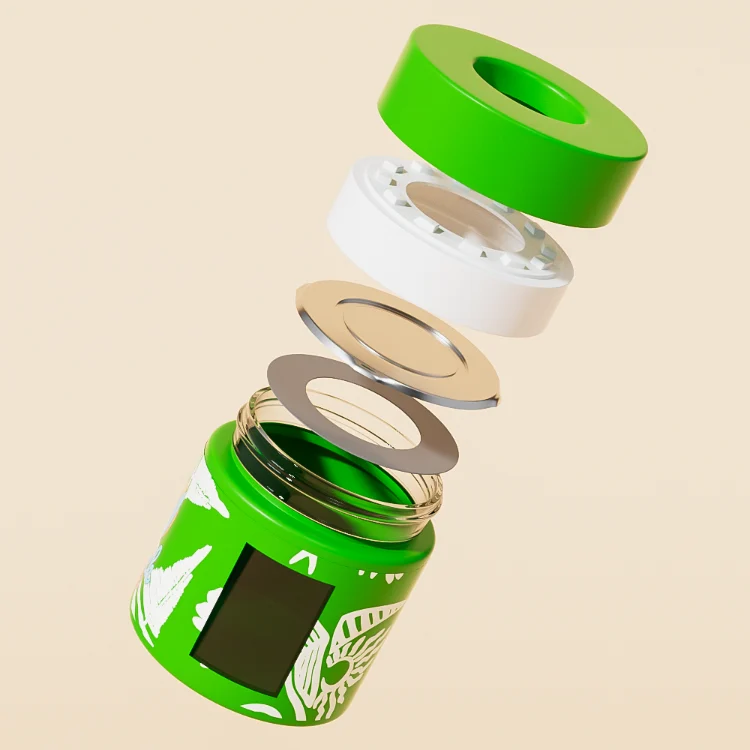
Glass Jars: Maintaining Product Stability
Glass jars are among the most common marijuana storage solutions:
- Glass does not chemically interact with THC or CBD
- It does not absorb or emit odors
- Provides strong airtight sealing, helping regulate airflow and humidity
Thick-walled, opaque, or dark-colored glass jars are recommended to reduce light exposure.
Pop-Vac Containers: Advanced Odor and Oxidation Control
Pop-Vac storage containers remove air through a push-button vacuum mechanism:
- Reduces residual oxygen, slowing THC oxidation
- Significantly limits odor leakage
- Well suited for short- to mid-term storage of premium cannabis flower
Importance of Child-Resistant (CR) Storage Methods
Child-resistant storage plays a critical role in both safety and compliance:
- Common designs include push-and-turn lids or dual-action openings
- Significantly reduces the risk of accidental access or ingestion by children
- Most original retail packaging already incorporates CR features
Smell-Proof Bags and Multi-Layer Storage Solutions
For enhanced odor control, users may employ:
- Smell-proof storage bags
- Double- or multi-layer storage systems, such as an inner jar combined with an outer protective bag or lockbox
Humidity and Environmental Control Considerations
- Avoid high heat, excessive humidity, and direct sunlight
- Use humidity control packs (such as 62% RH)
- Helps prevent overdrying or mold while preserving potency and freshness
Common Mistakes Tourists Make in Las Vegas
- Assuming legality allows public consumption
Marijuana use in public spaces remains illegal and can result in fines or enforcement action. - Believing hotel rooms qualify as private consumption spaces
Most hotels prohibit marijuana use, and violations may lead to cleaning fees or eviction. - Attempting to bring marijuana into airports or onto flights
Airports and air travel fall under federal jurisdiction, creating legal risk. - Crossing state lines with marijuana
Transporting marijuana across state borders is a federal offense, regardless of destination state laws.
Conclusion
In summary, marijuana is legal in Las Vegas, but that legality is tightly regulated at every stage—from purchasing and payment to packaging, storage, and use. Understanding and following these rules is essential for anyone seeking to consume marijuana legally, safely, and responsibly.